

Worried your beautiful bronze statue will tarnish? You fear its shine will be replaced by an ugly green, but this change is actually a sign of quality and strength.
Yes, bronze statues turn green, and this is a natural and desirable process. This green layer, called a patina1, is a stable coating that forms over time, protecting the underlying bronze from corrosion and extending the sculpture's life for centuries.
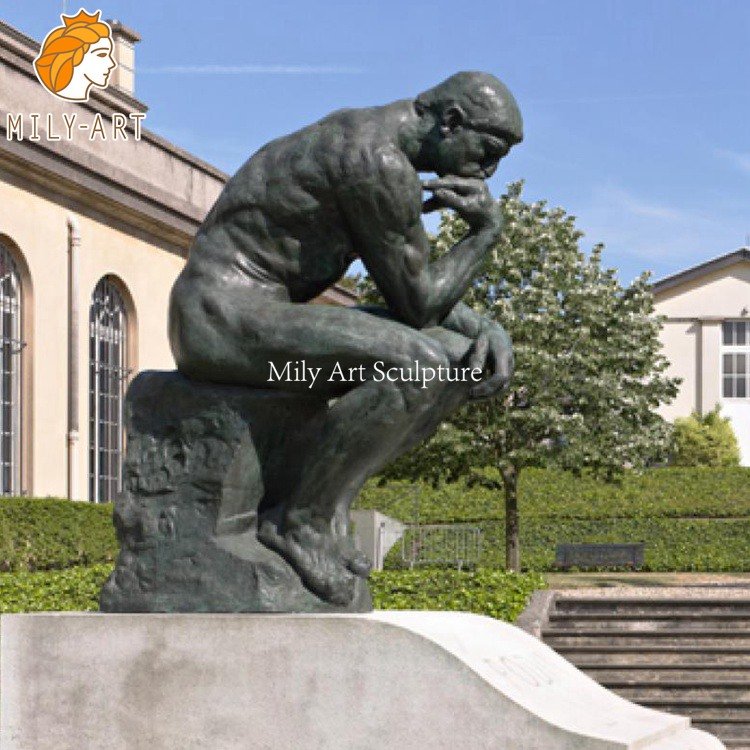
I get this question all the time from clients. They invest in a beautiful bronze piece from our foundry and want to know how it will age. The truth is, the transformation is one of the most fascinating parts of owning a bronze sculpture. It is a story written by time and the environment. This process is not one of decay, but one of beauty and preservation. Let's explore this natural artistry2 more deeply.
You see green on a bronze statue and think it's damaging rust. You might worry the sculpture is deteriorating and losing its value. In reality, this green layer is a protective shield.
Yes, it is a very good thing. This green layer, called a patina, is not rust. It's a stable, non-corrosive coating that forms on the surface. It shields the bronze underneath from damage, ensuring the sculpture can last for generations.
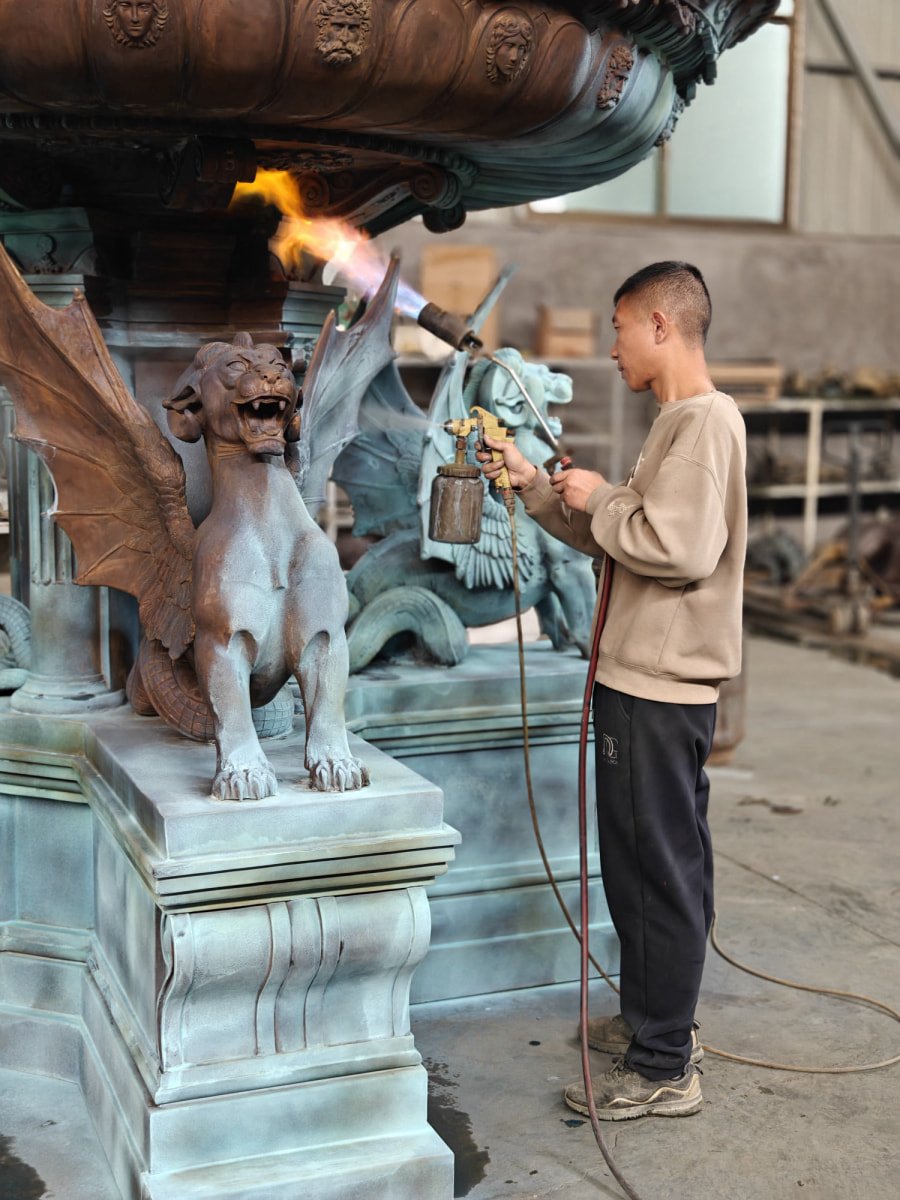
I've spent over 40 years in our foundry, and I've seen countless sculptures begin their life. But what's truly amazing is seeing how they mature. That green you see is not damage. It's a natural process of protection. In chemistry, we call it basic copper carbonate. Think of it like a very, very slow chemical reaction3. The copper in the bronze alloy meets moisture from rain or humidity. It also meets carbon dioxide, which is just a normal part of the air. These things combine on the surface to create a new, stable material. I always tell my clients to think of it like a protective skin, not a disease. Unlike the rust on iron, which flakes off and eats away at the metal, this green patina creates a dense, stable layer. This layer acts like a coat of armor. It stops further oxidation and protects the core metal. It's the secret behind why ancient bronze artifacts4 and famous outdoor sculptures have survived for hundreds, even thousands, of years. In my four decades, I have never seen a quality bronze statue fail because of its patina. I have only seen them become more distinguished and valuable.
| Feature | Bronze Patina (Basic Copper Carbonate) | Iron Rust (Iron Oxide) |
|---|---|---|
| Appearance | Green, blue-green, sometimes black | Reddish-brown, orange |
| Effect | Protective, stable layer | Corrosive, flakes away |
| Result | Preserves the metal underneath | Destroys the metal |
| Value | Adds aesthetic and historical value5 | Sign of decay and damage |
Perhaps you prefer the shiny, new look of polished bronze. You might think the green color looks old or less appealing. But this aged look is what adds character, depth, and a story.
The green patina adds a sense of history and timelessness. It highlights the sculpture's intricate form and texture, creating a visual depth6 that polished bronze lacks. This natural aging process is highly valued in the art world, signifying authenticity and endurance.
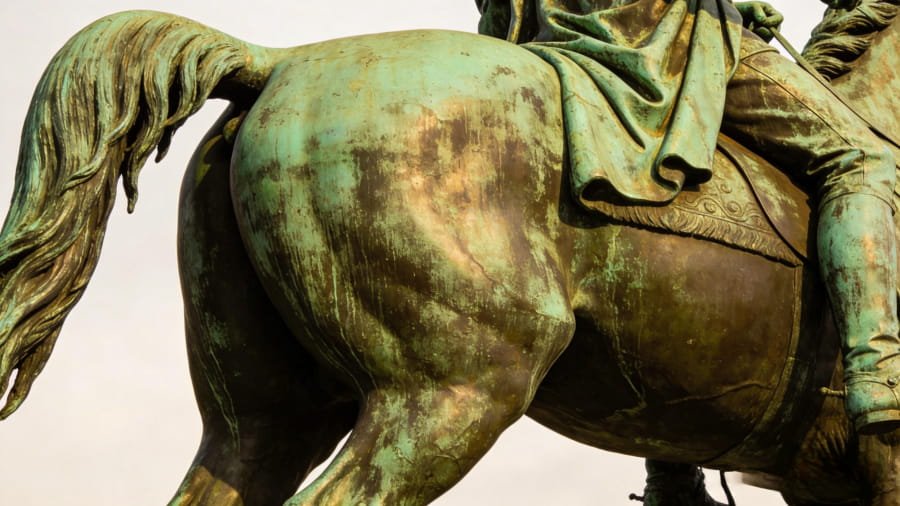
When I see a new sculpture leave our Mily Art foundry, it has a uniform, almost flat color. It is beautiful, like a blank canvas. But when I visit it years later, the patina has created highlights and shadows. Think about the most famous bronze statues in the world, like the Statue of Liberty. Her iconic green color is her patina. It gives her a sense of grandeur and history that shiny new copper could never achieve. This green layer is not uniform. It collects differently in crevices and on flat surfaces, which beautifully accentuates the artist's original details. This variation brings the piece to life. It makes the muscles on a bronze horse seem more defined, or the feathers on a bronze eagle look more individual. It tells a story of sun, rain, and air, showing that the sculpture has lived a life and become one with its surroundings. It is a visual record of time, and in art, that is something we value deeply. The sculpture becomes more than just an object; it becomes a landmark with a soul. This is why many collectors and art consultants7 specifically look for this quality. It is a sign of authenticity.
You love the aged, historic look but do not want to wait decades for it. Natural aging is a slow and sometimes unpredictable process. Luckily, we can use special techniques to create the perfect patina from day one.
Absolutely. At our foundry, we are masters of artificial patination. Using a controlled application of heat and specific chemicals, we can accelerate the aging process. We can create a wide variety of colors and effects, from traditional greens to rich browns.
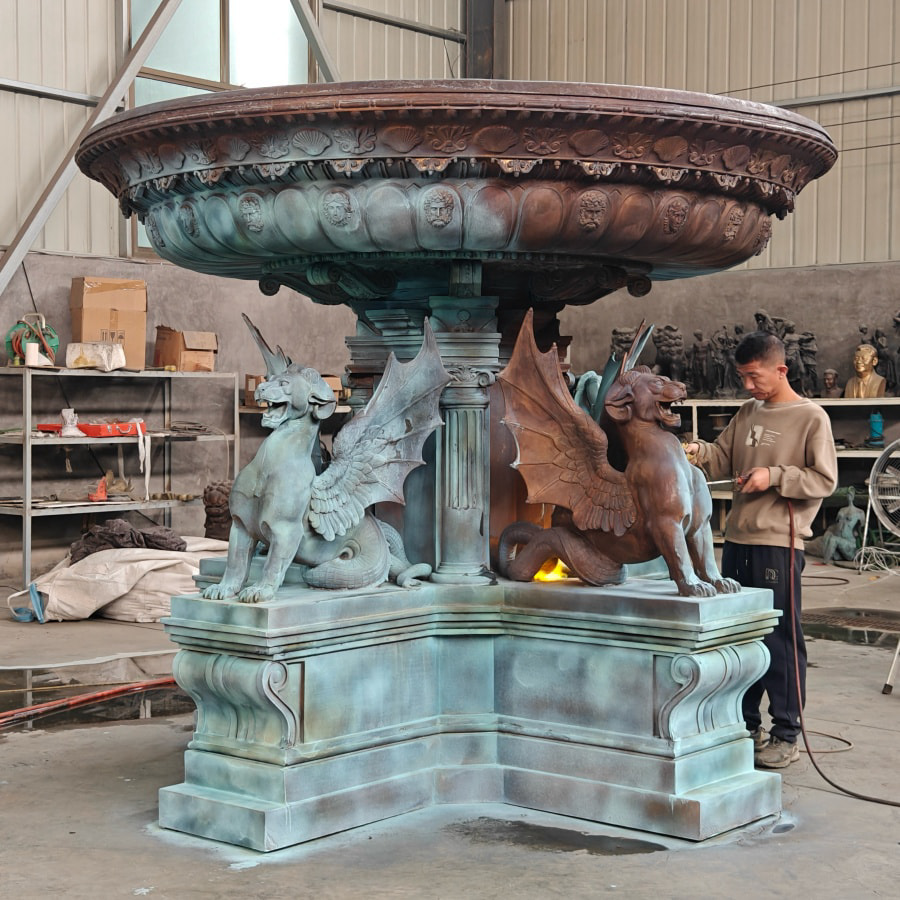
Many of our clients, especially landscape architects8 and estate managers, have a specific vision for their project. They need a sculpture to look a certain way from the moment it is installed. Waiting 20 years for nature to do its work is not an option. This is where our expertise at Mily Art comes in. Artificial patination is an art form in itself. The process is quite amazing to watch. An artisan will heat a section of the bronze with a torch until it is just the right temperature. Then, they spray or brush on the chemical solution, and the color appears almost instantly. It is a dance of heat and chemistry. This control is crucial for our clients. A landscape architect might need a sculpture with a light green patina to complement the foliage in a garden. An estate manager might want a classic, dark brown finish for a statue at the entrance of a manor. We can provide color samples and work with them to create a custom patina that perfectly matches their vision. It removes all the guesswork from the aging process and delivers a perfect result on day one.
| Patina Name | Color Description | Common Use |
|---|---|---|
| Verdigris | Classic Blue-Green | Traditional, aged look, historical pieces |
| French Brown | Rich, warm brown tones | Elegant, classic statues, animal sculptures |
| Liver of Sulfur | Deep black to iridescent purples | Modern, highlights form, abstract art |
| Ferric Nitrate | Reddish-brown, rust-like | Rustic, natural appearance, wildlife sculptures |
The green on a bronze statue is not decay, but a beautiful, protective layer. It is a sign of quality and a testament to the enduring fusion of art and nature.
Explore the fascinating process of patina formation and its role in protecting bronze sculptures. ↩
Discover how natural artistry influences the beauty and value of sculptures over time. ↩
Explore the chemistry behind patina formation and its significance in art. ↩
Discover the secrets behind the longevity of ancient bronze artifacts and their patinas. ↩
Understanding the historical value of patina can enhance your appreciation for art and culture. ↩
Discover how patina enhances the aesthetic appeal and character of bronze art. ↩
Learn how art consultants choose bronze sculptures and the importance of patina in their selection. ↩
Explore the role of bronze sculptures in landscape architecture and design. ↩

 We only use the information provided above to contact you in relation to your inquiry. For further details, read our Privacy Policy.