

The lifespan of a sculpture is not fixed; it depends on the material, environment, and level of maintenance. From a few hours as festive decorations to enduring millennia as cultural relics, the longevity of sculptures varies greatly.
Sculptures don’t have a fixed lifespan. They can last anywhere from a few years to thousands of years. How long they survive depends mainly on three things: what material they’re made from, the environment they’re in, and how well they’re taken care of.
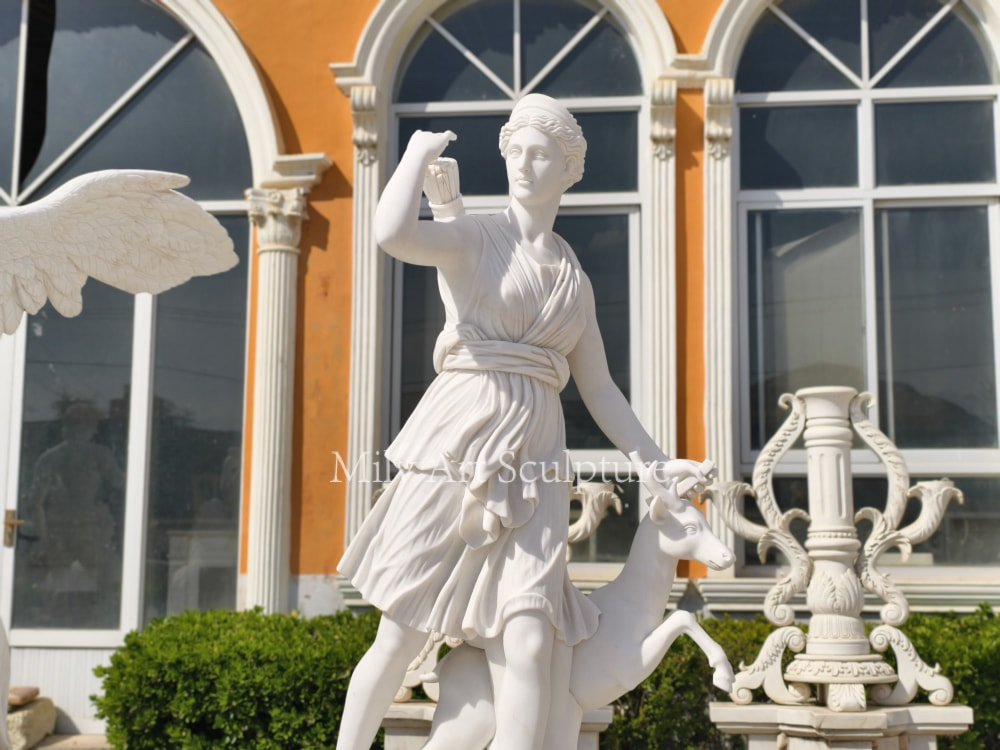
Taking marble as a prime example among common sculpture materials, marble sculptures have an exceptionally long life cycle that can reach hundreds or even thousands of years due to their excellent durability, natural beauty, and resistance to structural deterioration. Italy’s famous marble sculpture perfectly illustrate this longevity: Michelangelo’s David (1504) has survived over 520 years and continues to display intricate details, while ancient Roman marble sculptures in the Vatican Museums have endured over 2,000 years, and Bernini’s Apollo and Daphne (1625) remains pristine after 400 years in the Borghese Gallery. However, if these sculptures are not regularly cleaned, protected from environmental factors, and professionally maintained, problems such as surface staining, acid rain erosion, structural micro-cracking, and loss of fine carved details may occur, thus significantly affecting their service life and artistic value.

Different materials have very different lifespans. Here’s what you can expect from common sculpture materials:
| Material | Typical Lifespan (Outdoors) | Typical Lifespan (Indoors) | Key Factors |
|---|---|---|---|
| Bronze | Hundreds to 2000+ years (like ancient Greek and Roman sculptures) | Thousands of years | Natural protective layer (patina) forms; good maintenance helps a lot |
| Marble | Hundreds of years (with care), damaged by acid rain | Hundreds of years to forever (like museum pieces) | Air pollution and freeze-thaw cycles cause damage; Example: Michelangelo’s David statue |
| Corten Steel | 50-100 years (normal environment), 25-50 years (near ocean) | Indefinitely | Thickness matters; good drainage design; salt air causes faster rusting |
| Resin | A few years to several decades | Several decades | Sun fading and temperature cracks; higher quality resin lasts longer |
| Wood | 20 years structurally sound (durable wood like oak), 1-2 years before weathering shows | Longer, but bugs and moisture are problems | Untreated wood weathers quickly; might keep shape for 100+ years |
| Stainless Steel | Decades to hundreds of years | Even longer | Modern rust-resistant technology |
Environment: Outdoor sculptures face sun, rain, salt spray, and pollution that speed up damage. Indoor sculptures last much longer.
Maintenance: Regular cleaning, sealing, and checking can make sculptures last several times longer. For example, Corten steel needs 2-3 years to develop a stable protective layer.
Design and Quality: Thick materials, good water drainage, and keeping sculptures away from plants make them more durable.
Historical Examples: Ancient Greek marble and bronze sculptures prove that good materials plus protection can last thousands of years. But if you ignore maintenance, fine details will be lost. If the environment is harsh or materials are poor quality, sculptures might only last a few years.
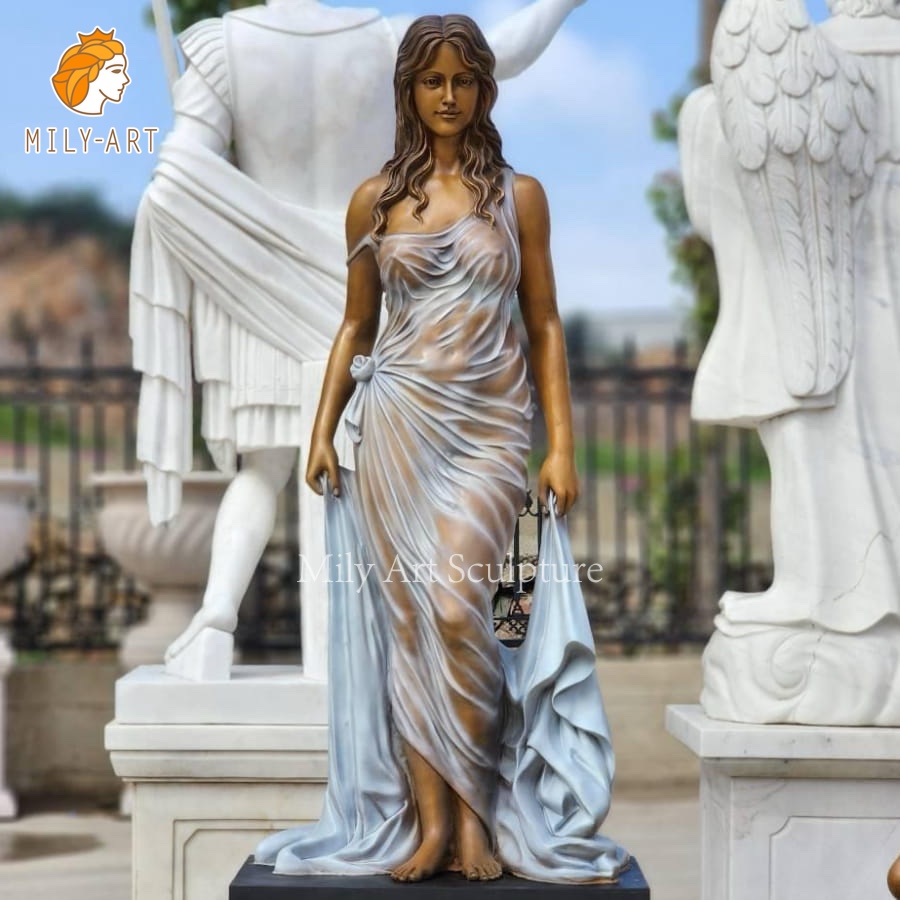
A: Bronze is probably the best for longevity. Ancient bronze sculptures from Greece and Rome are still around after 2,000+ years. The bronze develops a protective green layer called “patina” that actually helps protect it from further damage.
A: Outdoor sculptures face “weather enemies” like:
⠀A: Yes! Here are the main ways:
A: Without care, sculptures deteriorate much faster:
A: It depends! Modern materials like high-grade stainless steel and advanced resins can be very durable. However, traditional materials like bronze and marble have proven themselves over thousands of years. The key is matching the right material to the specific environment and purpose.
A: Maintenance costs vary widely, but it’s usually much cheaper than replacement:

 We only use the information provided above to contact you in relation to your inquiry. For further details, read our Privacy Policy.