1. Introduction
I have spent the last 20 years in the foundry, breathing in the smell of wax and molten copper. I’ve seen thousands of bronze statues go from a sketch on a napkin to a monument in a public square. My goal today is simple: to give you a practical, step-by-step guide to commissioning a bronze statue in China. While costs are important (and we will cover them), the success of your project depends on following the right process, knowing what to ask for, and managing quality checks at every stage. This guide strips away the industry jargon so you can make confident decisions.
2. Step-by-Step Commissioning Checklist
Follow this workflow to ensure quality and transparency. Total project duration typically runs 8–16 weeks.
2.1 Define Your Brief: Gather your references, photos, sketches, and clarify copyright/IP ownership.
Deliverable: Written brief + reference images.
2.2 Get a Line-Item Quote: Request a detailed estimate that breaks down costs rather than a single lump sum.
Deliverable: Detailed estimate with defined scope.
2.3 Contract & Payment: Standard terms are split 40% deposit / 60% before shipment.
Deliverable: Signed contract + milestone plan.
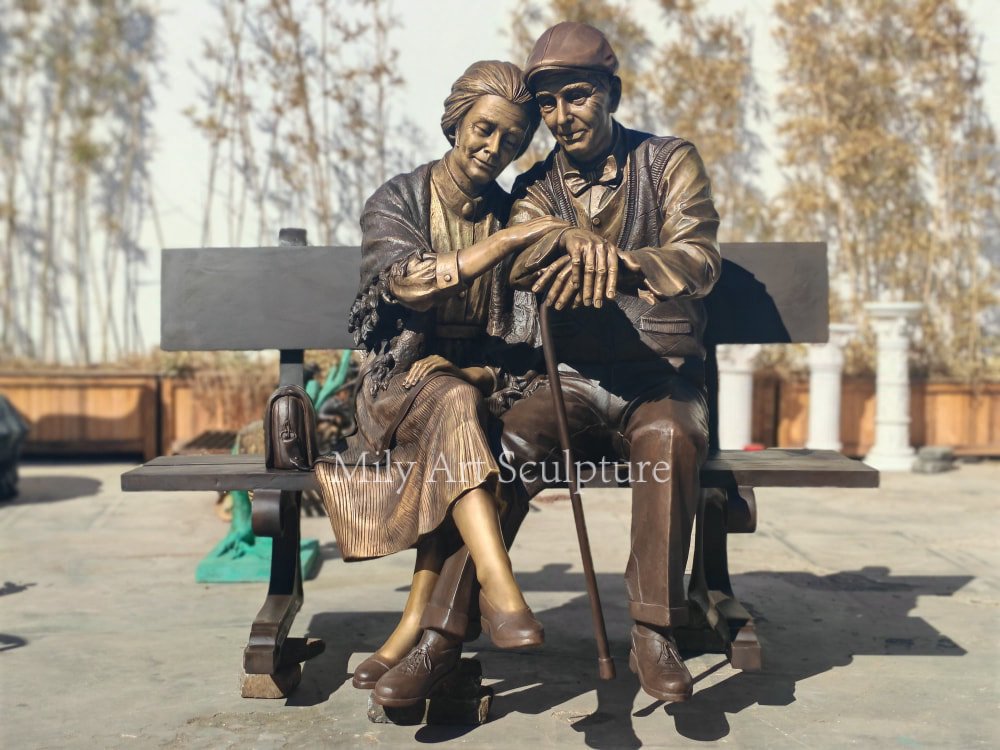
2.4 Maquette Creation (2–4 weeks): A full-scale clay or 3D printed model is created. You must approve the shape and expression here.
Deliverable: Photo/Video approval record.
2.5 Mold & Casting (4–8 weeks): The lost-wax process begins. Molds are made, wax poured, and bronze cast.
Deliverable: In-process photos of raw welds and seams.
2.6 Chasing & Assembly: Artisans grind down weld lines and refine the surface texture.
Deliverable: Photos showing surface refinement.
2.7 Patina Sampling (1–2 weeks): Chemical coloring. Don’t accept vague names; ask to see samples.
Deliverable: Labeled patina sample photos/video.
2.8 Final Approval & Sealing: Final inspection of the finished piece before it is packed.
Deliverable: Final QA checklist approval.
2.9 Logistics (3–6 weeks): Crating, fumigation, and shipping.
Deliverable: Crate specs, fumigation cert, HS code, insurance policy.
Commissioning Flowchart (Portrait vs Animal)
The following diagram visualizes the complete commissioning workflow, highlighting the divergent paths for portrait and animal subjects.
3. Process Differences: Portrait vs Animal Commissions
While the casting stages are similar, the design and approval phases differ significantly depending on your subject matter.
Portrait Focus
For human statue subjects, the priority is precise likeness and emotional resonance.
- Likeness Accuracy: Critical focus on eye shape, mouth corners, and cranial structure.
- Expression: Nuanced capture of personality (e.g., authoritative vs. welcoming) requires careful review.
- Drapery & Clothing: Realistic folding and texture of fabrics must be verified.
- Approval: Client must approve the maquette from multiple angles specifically for likeness before casting.
Animal Focus
For bronze animal figures, the priority shifts to anatomy, movement, and structural engineering.
- Species Anatomy: Correct musculature and skeletal proportions for the specific breed or species.
- Dynamic Pose: Conveying motion, balance, and weight (e.g., mid-stride or jumping).
- Texture Mapping: Detailed rendering of fur direction, feathers, or scale patterns.
- Engineering: Internal armature supports for tails or extended limbs to manage center of gravity.
4. Cautions & Good Practices
Commissioning overseas requires vigilance. Use this checklist to protect your investment.
Do
- Ask for a line-item quote detailing every cost.
- Specify wall thickness (5–10 mm) and alloy.
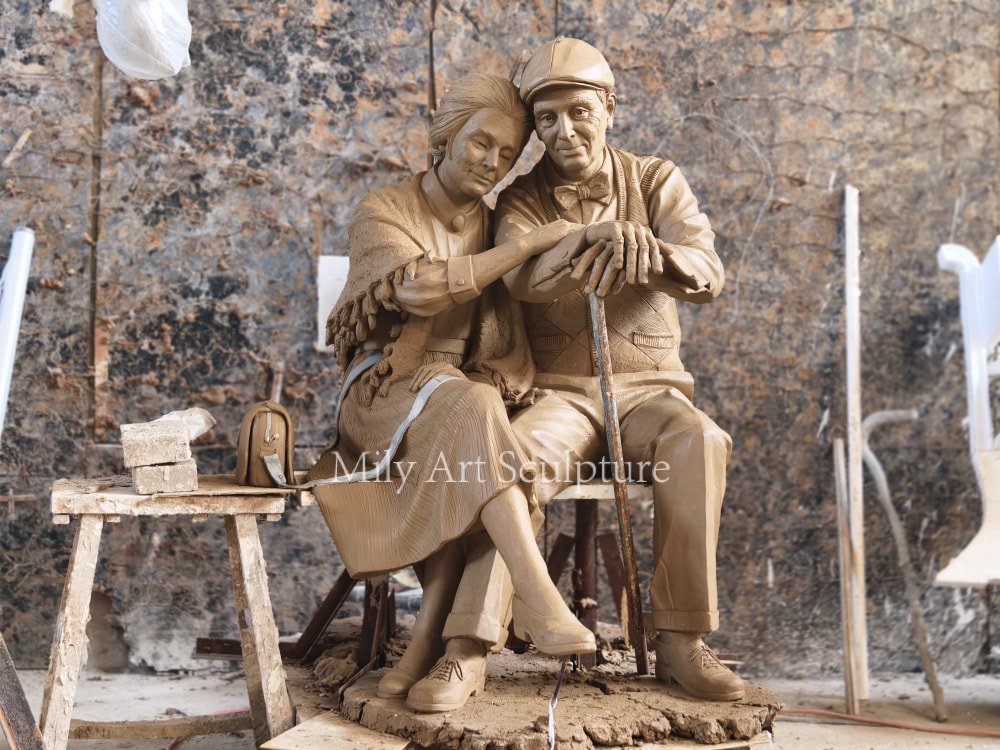
- Request photos of raw welds before patina hides them.
- Confirm pedestal specs and expansion anchors.
- Agree on crate design for protection.
- Set a weekly communication cadence.
Don’t
- Rush approvals on the clay maquette.
- Accept vague patina names (e.g., “brown”) without samples.
- Ignore salt-spray factors for coastal installations.
- Overlook Incoterms (FOB vs CIF) and insurance.
- Assume installation is included.
Maintenance Note: Outdoor statues require marine-grade sealers (wax or lacquer) and annual maintenance (washing and re-waxing) to preserve the finish.
5. Frequently Asked Questions
5.1. What should I specify for outdoor use?
You must specify a bronze alloy suitable for outdoors and request a marine-grade sealer. Regular re-waxing is essential to stop oxidation.
5.2. Sea vs. Air Freight: What is better?
Sea freight is standard (US$500–$4,000) but slow (3–6 weeks). Air freight is fast but expensive (US$2,000–$8,000+). Choose based on your deadline.
5.3. How do import taxes work?
Taxes vary by country (0–20%+). The HS Code for bronze statuary is usually 8306.21. Consult a customs broker for exact rates.
5.4. Can I approve the statue remotely?
Yes, video calls and high-res photos are industry standard for remote inspection. Ensure you see the piece from all angles.
5.5. Is there a warranty?
Reputable foundries offer 12–24 months on workmanship (welds, structure). Patina changes due to weather are usually not covered.
5.6. Can 3D printing help?
Yes, 3D printing is excellent for verifying scale and pose before casting, or for creating the initial model instead of clay.
5.7. What about IP and portrait rights?
You are responsible for owning or licensing the rights to any image or design you commission. Foundries will produce what you ask for, but you hold the liability.
6. Cost Notes (For Planning)
Budget Estimates
While process is key, here are the typical price bands for life-size figures in China:
- Entry-Level (US$3,000 – $5,000): Standard standing poses, basic patina, standard detail.
- Mid-Tier (US$5,000 – $10,000): The “Sweet Spot” for dynamic poses, rich texture, and deep patina.
- Premium (US$10,000 – $20,000+): Museum-grade quality, hyper-realistic detail, bespoke bases.
Logistics & Duties: Plan for US$500–$4,000 (Sea) or US$2,000–$8,000+ (Air). Import duties can range from 0–20%+.
7. Recommended Foundries & How to Engage
Based on experience with Western custom orders, here are reliable options.
YouFine Bronze
Strengths:
- Extensive portfolio of Western styles
- Wide range of custom patina options
- Very experienced with export logistics
Mily Art Statue
Strengths:
- High-detail casting capabilities
- Reliable communication with clients
- Strong architectural pedestal designs
How to Engage: Don’t just ask “How much?”. To get a serious response:
- Send a clear brief with reference images and dimensions.
- Request a detailed line-item quote.
- Ask for their specific maquette timeline.
- Ask to see 3–5 recent project photos and client testimonials.