
A bronze bull looks powerful, but do you know its true meaning? It's more than just a decoration. Let's explore the deep symbolism behind this iconic statue.
A bronze bull statue1 primarily symbolizes strength, prosperity, and relentless determination2. From the charging bull of Wall Street representing financial optimism3 to the bison symbolizing wild power, it embodies an unstoppable spirit of progress and success. This makes it a popular choice for businesses and private collectors.
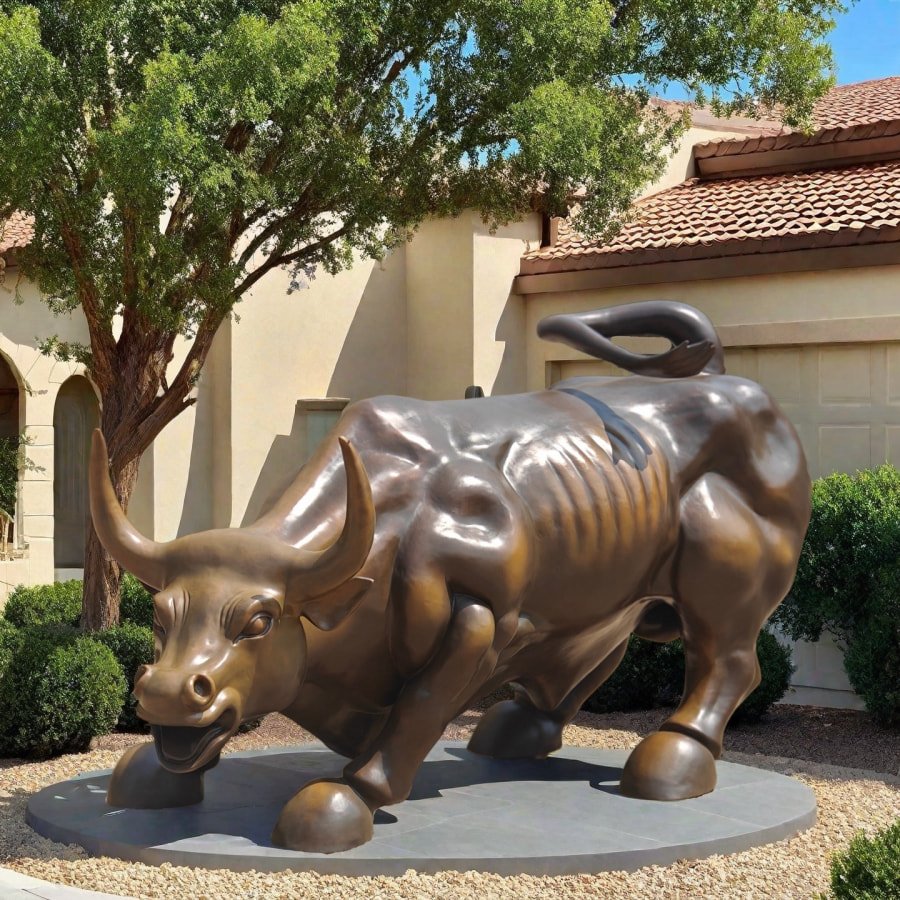
Now that you have a general idea, you might be curious about the different meanings behind specific bull statues. We've been making these sculptures for over 40 years, and I can tell you, each one tells a unique story. The details matter, and understanding them helps you see why this sculpture is so timeless. Let's look closer at some of the most popular questions we get from our clients.
That charging bull in New York is iconic, right? Many people see it as just a symbol of money. But its story and power run much deeper than that.
The Wall Street Bull, or Charging Bull4, is famous because it symbolizes aggressive financial optimism3 and prosperity. Originally placed as guerrilla art, it now represents the strength and power of the American people and the unstoppable, forward-driving energy of the stock market.
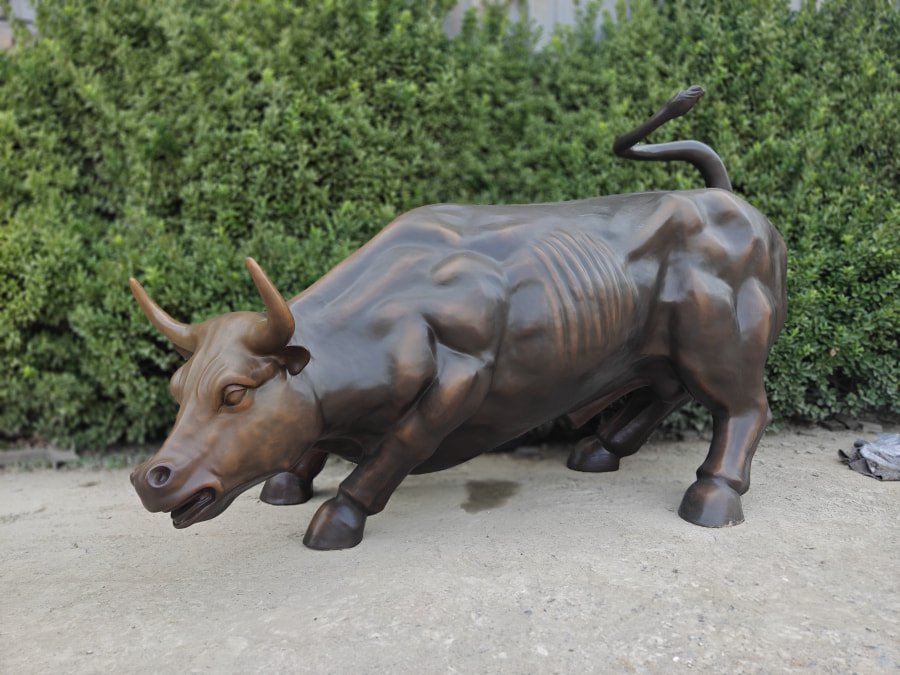
At our studio, the Charging Bull is one of the most requested bronze sculptures. Clients from all over the world, especially those in finance and business, want to capture that specific energy for their own offices and headquarters. They see it as a daily reminder of ambition and success.
The original sculpture was created by artist Arturo Di Modica. He installed it in front of the New York Stock Exchange in 1989 without permission. It was a gift to the American people after the 1987 stock market crash, a symbol of resilience and strength. This bold origin story is a huge part of its fame. It wasn't commissioned; it was a statement.
When we create a replica, we focus intensely on two things: the posture and the muscle definition. The head is down, the nostrils are flared, and the body is tensed as if it's about to surge forward. This isn't just a bull standing still; it's a force of nature in motion. We use the traditional lost-wax casting5 method to ensure every detail, from the texture of the hide to the sharpness of the horns, is perfect. This is how we translate raw power into bronze.
| Feature | Symbolism | Our Crafting Focus |
|---|---|---|
| Lowered Head | Aggression, determination, charging | Precise angle to convey forward momentum |
| Tensed Body | Potential energy, strength, readiness | Detailed muscle carving in the clay model |
| Polished Horns | A weapon, danger, a sharp financial mind | Smooth polishing to contrast with the body's texture |
Have you ever noticed how the same animal can mean different things around the world? The bull is a perfect example. Its meaning can change completely depending on the culture.
Across different cultures, the bull consistently represents strength and power. However, in China, it also stands for diligence and prosperity. In ancient Mediterranean cultures, it was a symbol of fertility and divine power, while in Spain, it embodies bravery and passion.
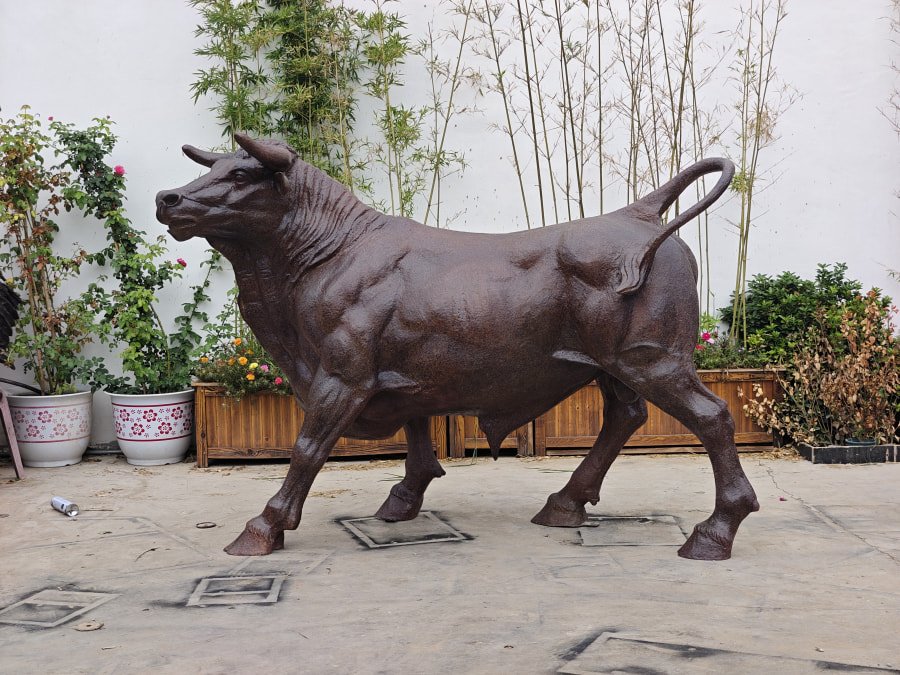
Here in China, the bull is deeply tied to our history. For centuries, it was the backbone of our agricultural society, plowing the fields that fed our nation. Because of this, it represents diligence, hard work, and reliability. When we say someone is "very bull" , it's a high compliment meaning they are incredibly capable. This is also why a rising stock market is called a "bull market." It represents a strong and prosperous economy. When a client from China orders a bull, they are often thinking of this hardworking, determined spirit.
But the bull's story is global. Its symbolism is rich and varied across civilizations.
Understanding these cultural differences is key to our work. It helps us create a sculpture that truly connects with the client's vision, whether it’s for a garden in Europe or a corporate plaza in Asia.
Choosing a sculpture is a big decision, especially one as powerful as a bull. You're not just buying an object; you're placing a powerful symbol in your environment.
To choose the right bull statue, first consider its purpose: for a business, a charging bull can symbolize financial growth. For a home, a standing bull might represent stability. Then, match the style and size to your space to ensure the sculpture's energy feels right.
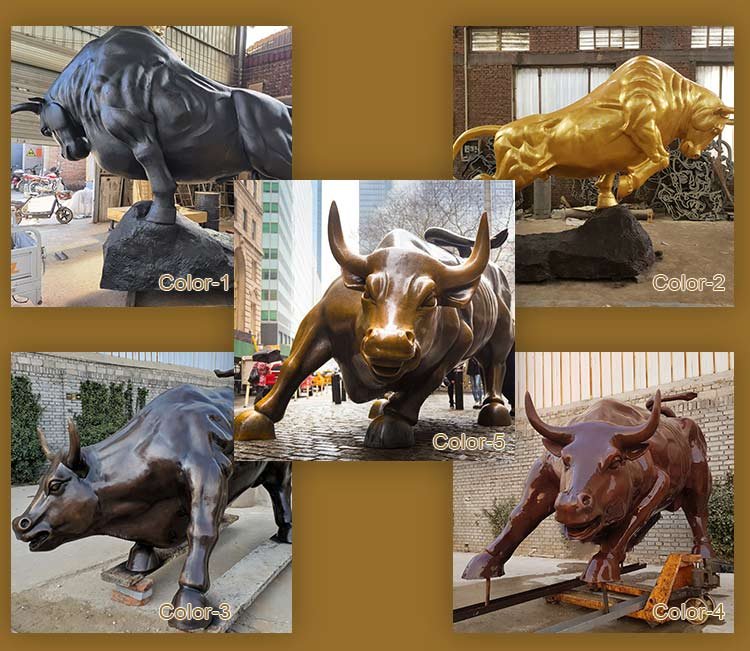
I've helped hundreds of clients, from private estate owners to art consultants, find the perfect bull sculpture. The process always comes down to a few key questions. It's about matching the bull's energy to the purpose of the space. A monumental charging bull sends a very different message than a calm, grazing bull in a garden. We need to think about what story you want your sculpture to tell.
First, ask yourself why you want a bull statue.
Once you know the purpose, think about the aesthetics. A highly polished, modern bull might fit a sleek, contemporary building, while a classic bronze with a rich patina feels at home in a more traditional setting. Size is also critical. A life-size bull is an undeniable statement piece, while a smaller, tabletop version can provide personal inspiration. I remember a client who wanted a bull for his family estate. He loved the power of the Charging Bull but worried it was too aggressive for a home environment. We worked with him to customize the design, slightly raising the head and softening the posture. It still looked incredibly strong, but it felt more like a protector than an attacker. This is the kind of customization that makes a sculpture truly yours.
A bronze bull is a timeless symbol of strength, prosperity, and determination. Whether for finance or personal inspiration, it brings powerful, positive energy to any space you place it in.
Discover the rich meanings behind bronze bull statues and how they can enhance your space. ↩
Understand how the bull embodies relentless determination and its impact on success. ↩
Find out how the bull represents financial optimism and its relevance in today's economy. ↩
Uncover the fascinating history and significance of the iconic Charging Bull statue. ↩
Learn about the traditional lost-wax casting method and its importance in sculpture. ↩
Understand the significance of Nandi, the sacred bull in Hinduism, and his symbolism. ↩

 We only use the information provided above to contact you in relation to your inquiry. For further details, read our Privacy Policy.