

Are you wondering if a beautiful bronze sculpture is just a decoration or a true long-term asset? You see the prices, but it's hard to know if they actually hold their value.
Yes, bronze sculptures are absolutely worth something. Their value comes from the high price of the bronze metal itself, their incredible durability lasting thousands of years, and their potential to appreciate in value over time. They are both a beautiful art piece and a solid long-term investment.
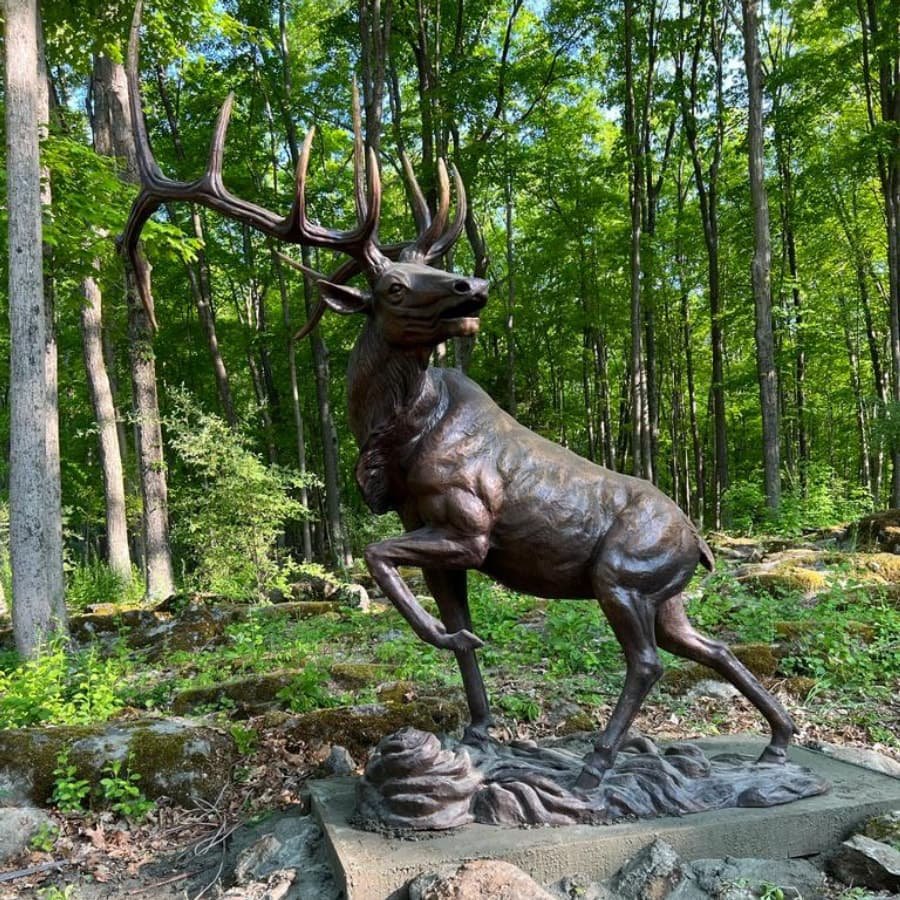
So you know that these sculptures are valuable. But what are the real factors that drive that worth? It's more than just a pretty object for your garden. The story behind a bronze sculpture's value is rooted in its material, its lifespan, and its ability to grow as an investment. Let's explore why a bronze sculpture is one of the most solid investments you can make in the art world.
You might think of bronze as just another common metal. But its rising cost is impacting entire industries around the world, making it an increasingly rare material for fine art.
Bronze is valuable because it is a useful industrial metal in high demand. Its price is rising so much that many industries are switching to cheaper alternatives. This growing scarcity, combined with its durability and historical significance1, makes bronze a precious material for creating long-lasting art.
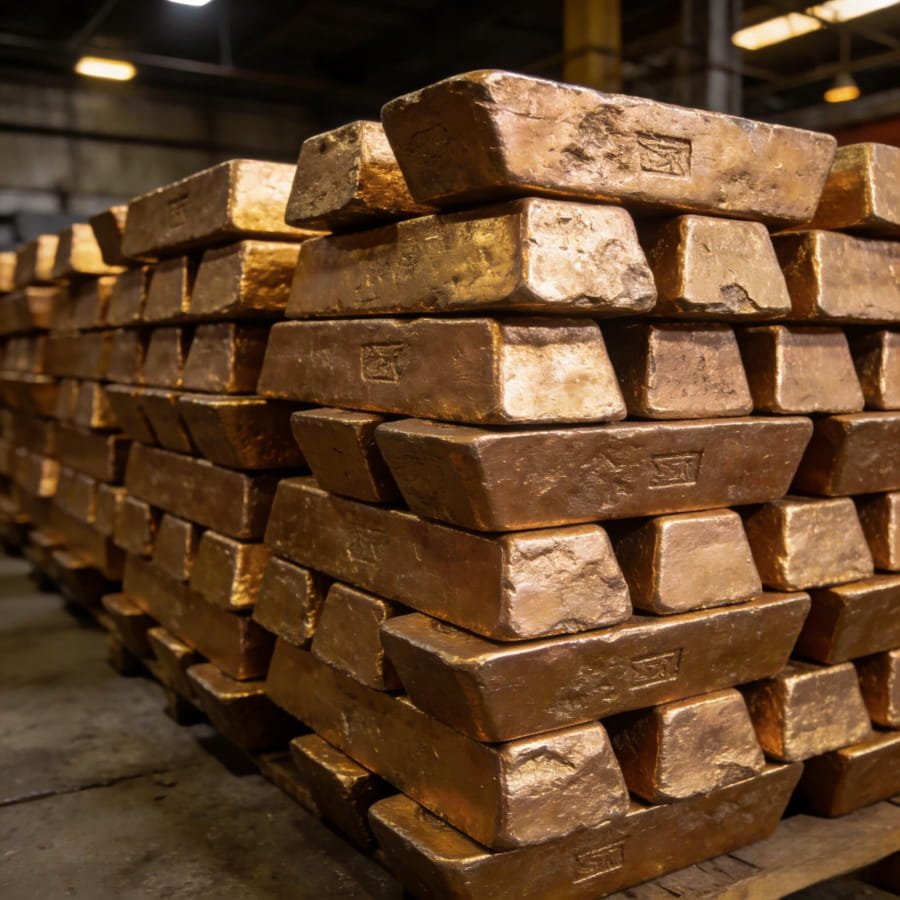
I see the effects of bronze's value every day in our foundry. The simple truth is, bronze is expensive because it is useful and its core component, copper, is a globally traded commodity. The demand for copper in industry is huge. Here in China, I've seen major industries make big changes. For example, many companies producing air conditioners and electrical cables are now using aluminum instead of copper. They are making the switch simply because copper has become too expensive for them to use in their products.
This industrial shift tells you everything you need to know. When a material becomes too pricey for mass production, its value as a resource for fine art increases.
| Feature | Bronze | Aluminum | Resin |
|---|---|---|---|
| Intrinsic Value | High | Low | Very Low |
| Industrial Demand | High (decreasing due to cost) | High (increasing as a substitute) | Low |
| Scarcity | Increasing | Abundant | Mass-produced |
| Price Trend | Rising | Stable / Low | Low |
When you buy a bronze sculpture, you are not just buying an art object. You are acquiring a significant amount of a precious and increasingly scarce metal. This gives the sculpture a solid, tangible value that other materials like resin or even stone simply cannot match. It’s a real asset.
Are you worried about your beautiful outdoor art piece degrading over time? Rain, snow, and intense sun can destroy many materials, making you question the long-term wisdom of your investment.
Yes, a bronze sculpture can practically last forever. It is incredibly resistant to corrosion, rust, and weather damage. We have ancient bronze artifacts that have survived for thousands of years. This amazing durability makes it the perfect medium for a legacy piece2 to be passed down through generations.
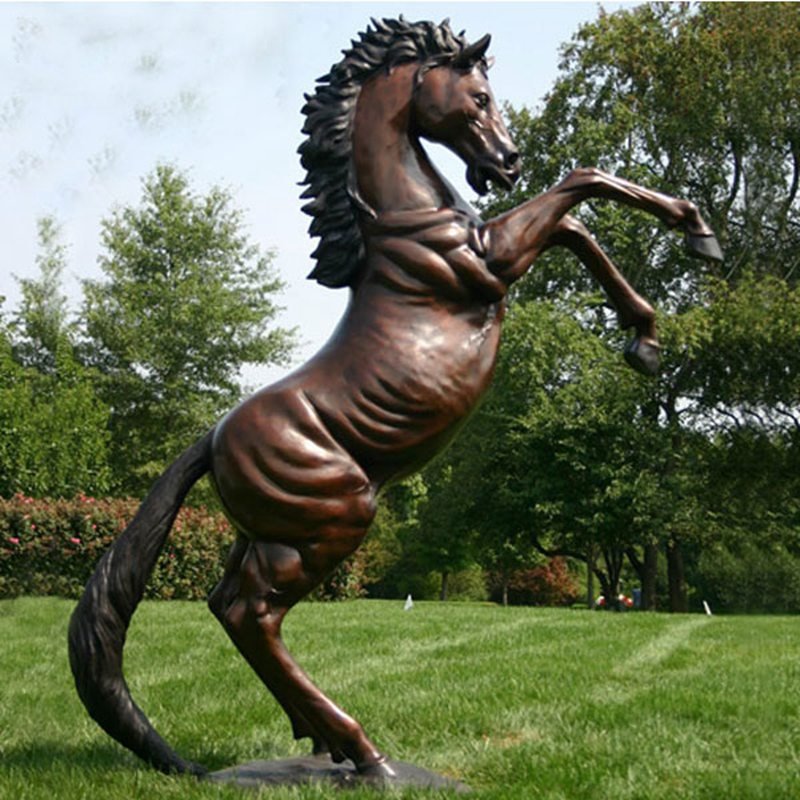
At our foundry, we use the traditional lost-wax casting method. This process has been perfected over centuries to create strong, solid sculptures with incredible detail. It ensures there are no weak points. On top of that, our dedicated Quality Control team inspects every sculpture at every stage. We ensure the bronze alloy is pure and the final piece is flawless. This attention to detail guarantees a sculpture that can withstand the elements for centuries.
I often work with landscape architects and estate managers. They need a centerpiece for a garden or a park that will look just as good for their grandchildren as it does today. They always choose bronze. They know it's a permanent installation.
| Material | Lifespan Outdoors | Maintenance Needs | Weaknesses |
|---|---|---|---|
| Bronze | Thousands of years | Very Low | None, ages gracefully |
| Marble | Hundreds of years | Medium | Can chip, stain, and erode |
| Wood | 10-50 years | High | Rots, cracks, insect damage |
| Resin | 5-15 years | Low | Fades, becomes brittle, cracks |
A bronze sculpture's value is deeply connected to its permanence. You are not buying a temporary decoration. You are commissioning a timeless work of art that will become a part of the landscape itself, holding its form and beauty for countless generations to come. It is a true legacy.
You just bought a beautiful, shiny bronze statue for your property. But you worry that after a few years outside, it will tarnish or look old and worn out.
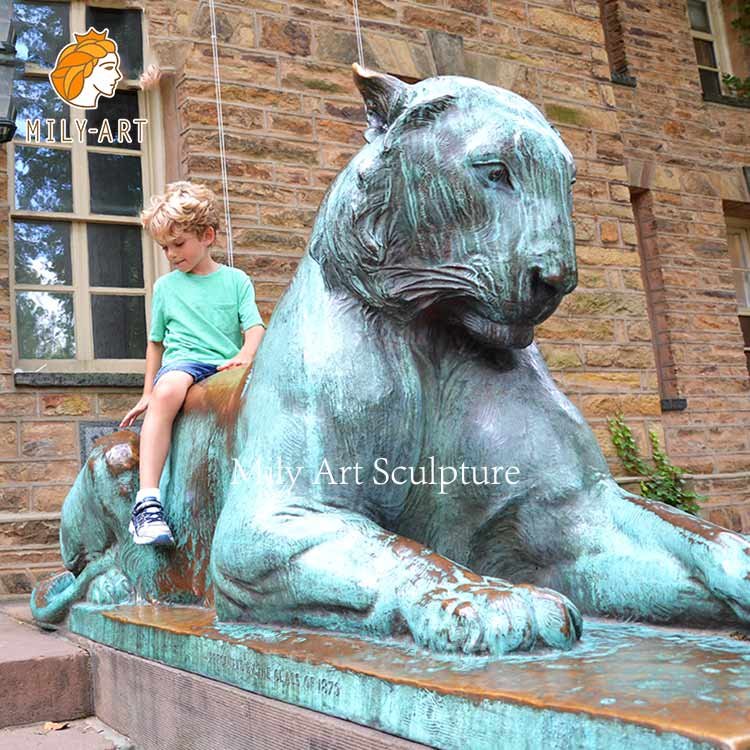
Yes, a bronze sculpture’s appearance changes beautifully over time. It develops a protective layer called a patina3, which can be shades of green, blue, or brown. This natural aging process is highly desired by collectors, adds unique character4, and actually increases the sculpture's value.

This change in color is not decay; it's a natural chemical reaction that protects the metal underneath. The thin layer that forms is called a patina, or sometimes verdigris when it's green. Many of our clients, especially those with historic manors in Europe, specifically request this aged look. They love the sense of history and character it brings to their properties. It makes the sculpture look like it has been part of the estate for centuries.
The best part is, we have complete control over this process. Our master artisans can create this beautiful patina effect in our foundry using special chemical applications. We can achieve a range of colors, from a classic blue-green to a rich, earthy brown. This means you can have the exact look you want from day one, without waiting decades for nature to take its course.
This ability to age gracefully, or to be crafted with an aged appearance, adds another layer of value. It's an aesthetic quality that makes each bronze piece unique and more desirable over time.
You are looking for assets that do more than just sit there. Stocks can be volatile, and real estate is a huge commitment. So where can you put your money for stable, long-term growth?
Yes, a bronze sculpture is an excellent financial investment. It has real, intrinsic value5 from the metal itself, which is becoming scarcer. As a unique piece of art, its value can also appreciate significantly over time. Many serious collectors buy bronze sculptures as tangible, long-term assets.
I've worked directly with many art consultants and private collectors over the years. They understand the market. They buy our sculptures not only for their breathtaking beauty but also because they know it's a smart financial move. A high-quality bronze sculpture combines several value-driving factors into one asset.
First, there is the raw material value we already discussed. You own a large amount of an expensive commodity. Second, there is the artistic value6. A piece crafted by skilled artisans, especially a custom, one-of-a-kind design, has a value far beyond its material weight. Finally, there is the legacy value. Because it lasts forever, it can be passed down through generations, often appreciating in value with each passing decade.
| Factor | Description | Impact on Worth |
|---|---|---|
| Material Cost | The rising global market price of copper and tin. | Provides a solid floor for the sculpture's value. |
| Craftsmanship | The skill in casting, welding, and finishing. | Higher quality work from a reputable foundry is more valuable. |
| Uniqueness | One-of-a-kind custom designs vs. standard models. | A unique piece is rarer and more sought after by collectors. |
| Provenance | The history of the sculpture and its artist/foundry. | A strong reputation adds significant prestige and financial value. |
When you combine these factors, you get an asset that is not only beautiful and permanent but also has a strong potential for financial growth. It enhances your property's prestige while also serving as a stable and valuable part of your investment portfolio7.
Bronze sculptures are highly valuable. Their worth comes from the precious metal they are made of, their timeless durability, and their strong potential for financial appreciation over the long term.
Explore the rich history of bronze sculptures and their cultural importance. ↩
Discover why bronze sculptures are seen as lasting legacy pieces for future generations. ↩
Find out how patina enhances the beauty and value of bronze sculptures over time. ↩
Explore how the aging process adds unique character and value to bronze sculptures. ↩
Understand the intrinsic value of bronze and how it affects the worth of sculptures. ↩
Discover how artistic value contributes to the overall worth of bronze sculptures. ↩
Learn how bronze sculptures can enhance and diversify your investment portfolio. ↩

 We only use the information provided above to contact you in relation to your inquiry. For further details, read our Privacy Policy.